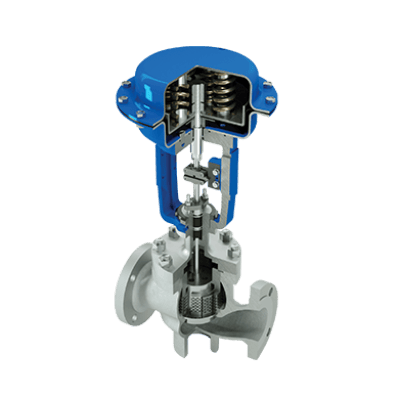
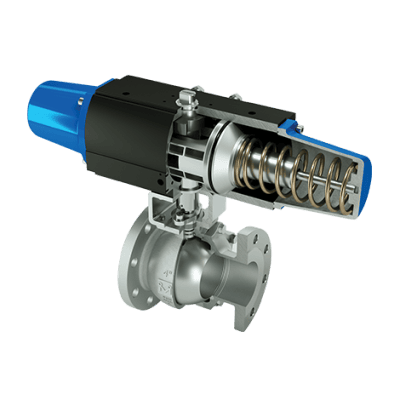
Anti-cavitation in control valves
Anti-cavitation in control valves refers to design features and techniques used to mitigate or eliminate cavitation, a phenomenon where vapor bubbles form and collapse within a liquid flow, causing damage and noise. Cavitation can occur when a liquid's pressure drops below its vapor pressure due to high velocity or pressure drops across the valve.
Causes of Cavitation:
Pressure Drop:
When liquid flows through a control valve, the pressure decreases. If this pressure drop is significant, it can cause the liquid to reach its vapor pressure, leading to cavitation.
High Velocity:
High flow velocities can also cause localized pressure drops, potentially leading to cavitation.
Consequences of Cavitation:
Damage:
The collapsing vapor bubbles generate shock waves that can erode valve components, piping, and other equipment.
Noise:
Cavitation can produce loud, disruptive noises, often described as a "popping" or "rumbling" sound.
Vibration:
The pressure fluctuations caused by collapsing bubbles can lead to vibrations, potentially causing structural damage and component failure.
Reduced Flow:
Cavitation can also restrict flow through the valve.
Anti-Cavitation Measures:
Multi-Stage Trims:
These trims divide the pressure drop into smaller stages, preventing the pressure from dropping below the vapor pressure in any single stage.
Specialized Trim Designs:
Some valves use specialized trim designs, like those with multiple small orifices and tortuous flow paths, to manage velocity and pressure drop.
Materials:
Using high-strength, hardened materials for critical valve parts can help them withstand the effects of cavitation.
System Design:
Modifying the system to reduce the pressure drop across the valve or adding resistance downstream can help prevent cavitation.
Anti-Cavitation Valves:
Valves with specific designs like those offered by Equilibar are engineered to minimize cavitation by managing fluid flow and pressur
 Dịch vụ sửa chữa van điều khiển KOMOTO AO-3607 DN150