Direct Steam Injection (DSI) is a method of heating liquids by injecting steam directly into them, offering efficient and precise temperature control. Control systems for DSI can be manual or automatic, with automatic control being preferable for variable operating conditions. Common control methods include regulating steam pressure and flow rates, or modulating the injection area.
Direct Steam Injection works by directly injecting steam into a process fluid to obtain more rapid heat transfer, resulting in more efficient energy usage than indirect heat exchangers. This efficient process of heating is caused by our direct steam injection Hydroheaters’ ability to control both steam flow and mixing turbulence by using a modulating stem plug and nozzle or diffuser assembly in the heater. This precise mixing of a measured amount of high-velocity steam directly with your liquid or slurry provides an instantaneous heat transfer from steam to the fluid. This heat transfer method allows for 100% thermal efficiency and energy savings of 20-25%
Direct Steam Injection (DSI) heaters are industrial devices that efficiently heat liquids by directly injecting steam into the fluid. Unlike traditional heat exchangers, DSI heaters eliminate the need for separate steam chambers and maximize energy transfer with nearly 100% thermal efficiency. They provide precise temperature control, ensuring consistent heating for various industrial applications like food and beverage, chemical processing, and wastewater treatment. DSI heaters offer significant operational savings by minimizing energy waste and reducing maintenance needs. Additionally, their compact design requires minimal space, making them a flexible and reliable heating solution.
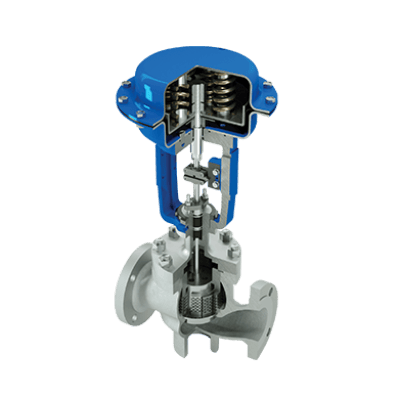
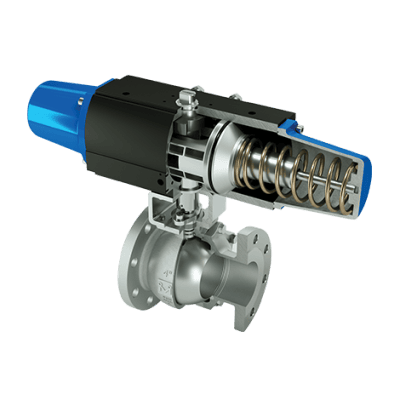
External modulation Internal modulation
There are two basic types of heat exchangers used to transfer heat between process fluids — direct heat exchange and indirect. Indirect heating is most commonly seen in the form of plate & frame or shell & tube heat exchangers. Any process that does not allow direct mixing of steam and fluid is indirect heating. Heat exchangers transfer heat through a membrane or solid wall. This results in only ~ 83% of the heat energy transferred to the process fluid. In contrast, the remaining energy is discharged in the condensate formed from the steam.
On the other hand, direct heating uses 100% of the steam’s heat energy by adding steam directly to the process fluid.
The benefits of using direct contact heating vs. indirect include:
Additional benefits:
TKLD TECHNICAL SERVICE COMPANY LIMITED
 KOMOTO AO-3607 Control valve maintenance servicesTKLD Control Valves ServicesBall Valve Maintenance ServicesGate Valve Maintenance ServicesControl Valve Severe ServiceGlobe Control Valve Maintenance ServicesOn-Off Valve Maintenance ServicesKOMOTO AO-3841 Control valve maintenance servicesKOMOTO AO-3811 Control valve maintenance servicesKOMOTO AO-3507 Control valve maintenance services